
Table of contents (9 sections)
If you import wireless car charger mounts, compliance is not paperwork you sort out later. It is the gate your shipment passes through before it ever reaches a warehouse, a marketplace listing, or a customer. A missing or invalid certification mark can mean a customs hold, a rejected entry, a pulled Amazon listing, or a product recall, and every one of those outcomes lands on the importer of record, not the factory.
Wireless car chargers are a particularly scrutinized category because they do two regulated things at once: they emit radio frequency energy (the Qi wireless charging coil) and they contain electronics that must meet electrical-safety and hazardous-substance rules. That means several certification regimes apply at the same time, and they differ by destination market.
This guide explains what FCC, CE and RoHS actually cover, which marks each major market expects, and how a buyer can verify that a supplier's claims are real before placing an order.
The three core certifications, in plain terms
FCC (United States and Canada)
The FCC mark covers electromagnetic interference and radio emissions. Because a wireless charger transmits energy through an inductive coil, it falls under FCC rules for radio-frequency devices in the US market. For US importers, an FCC-compliant product is the baseline expectation, and customs and marketplaces both treat missing FCC compliance as a red flag for this product category.
Canada runs a parallel system through ISED (formerly Industry Canada), and in practice many North American buyers treat FCC compliance as the signal that a wireless charger has been tested to the same class of radio-emission requirements they need for that region.
CE (European Union and the United Kingdom)
The CE mark is the manufacturer's declaration that a product meets the EU's applicable directives, which for a wireless car charger typically means electromagnetic compatibility, radio equipment, and low-voltage safety requirements. No CE mark, no legal sale in the EU. For the UK, the UKCA framework runs alongside CE, but CE remains the mark European distributors look for first, and it is the proof point most importers into the EU and UK ask to see.
RoHS (hazardous substances)
RoHS restricts the use of specific hazardous materials such as lead, mercury and cadmium in electronic products. It is fundamentally an environmental and materials-safety standard rather than a performance one. RoHS is mandatory for the EU and UK, and many US and Australian buyers, especially those selling to environmentally conscious channels or large retailers, now require it as a condition of purchase regardless of the destination.
Which market needs which mark
A practical way to think about it, market by market:
- United States: FCC compliance is the headline requirement for a wireless charger, with RoHS increasingly requested by larger buyers and marketplaces.
- Canada: Aligns closely with the FCC-class radio-emission expectations; RoHS is commonly requested.
- European Union: CE is mandatory and non-negotiable, and RoHS applies to the electronics.
- United Kingdom: CE (alongside UKCA) plus RoHS, mirroring the EU approach.
- Australia: Buyers typically expect electrical and EMC compliance evidence, and RoHS-style materials compliance is frequently part of supplier qualification.
The common thread: if you sell into more than one of these regions, you want a product that already carries FCC, CE and RoHS together, so a single SKU can clear multiple markets without you sourcing a different version for each.
Where compliance actually breaks down
Most compliance failures are not the product being unsafe. They are documentation problems:
- A factory claims a certification verbally but cannot produce the test report or certificate.
- The certificate covers a different model than the one being shipped.
- The certificate is expired, or issued by a body the importer cannot verify.
- The product label is missing the required mark, even though the design was tested.
Any of these can trigger a customs question or a marketplace audit, and the burden of proof falls on you as the importer.
How to verify a supplier's certification claims
Before you commit to a purchase order, do this:
- Ask for the actual certificate or test report, not a logo. A genuine supplier can send the document that names the specific model, the testing standard, and the issuing body.
- Match the certificate to the exact model you are buying. Confirm the model number on the certificate matches the SKU on your order, including the wattage variant.
- Confirm coverage for your destination markets. If you sell into the EU, you need CE on file; into the US, FCC; and RoHS for materials compliance across most channels.
- Request product and packaging photos showing the marks. The certification is only useful if the printed product and box carry the correct marks for the markets you ship to.
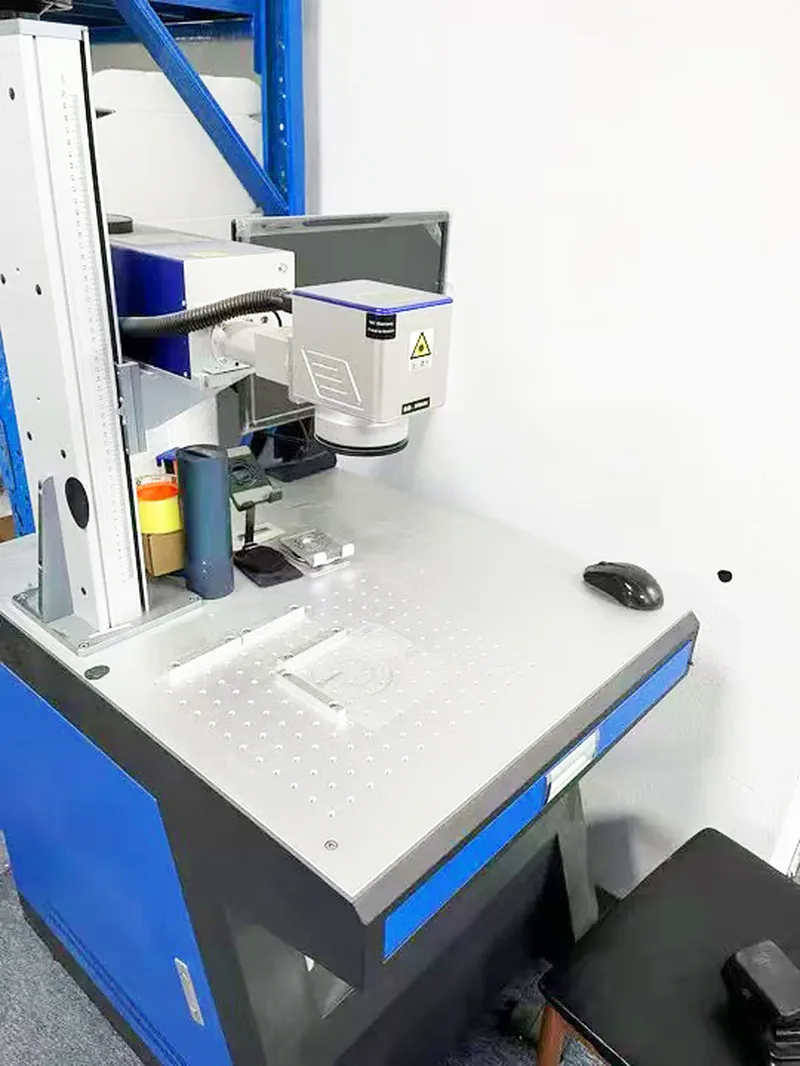
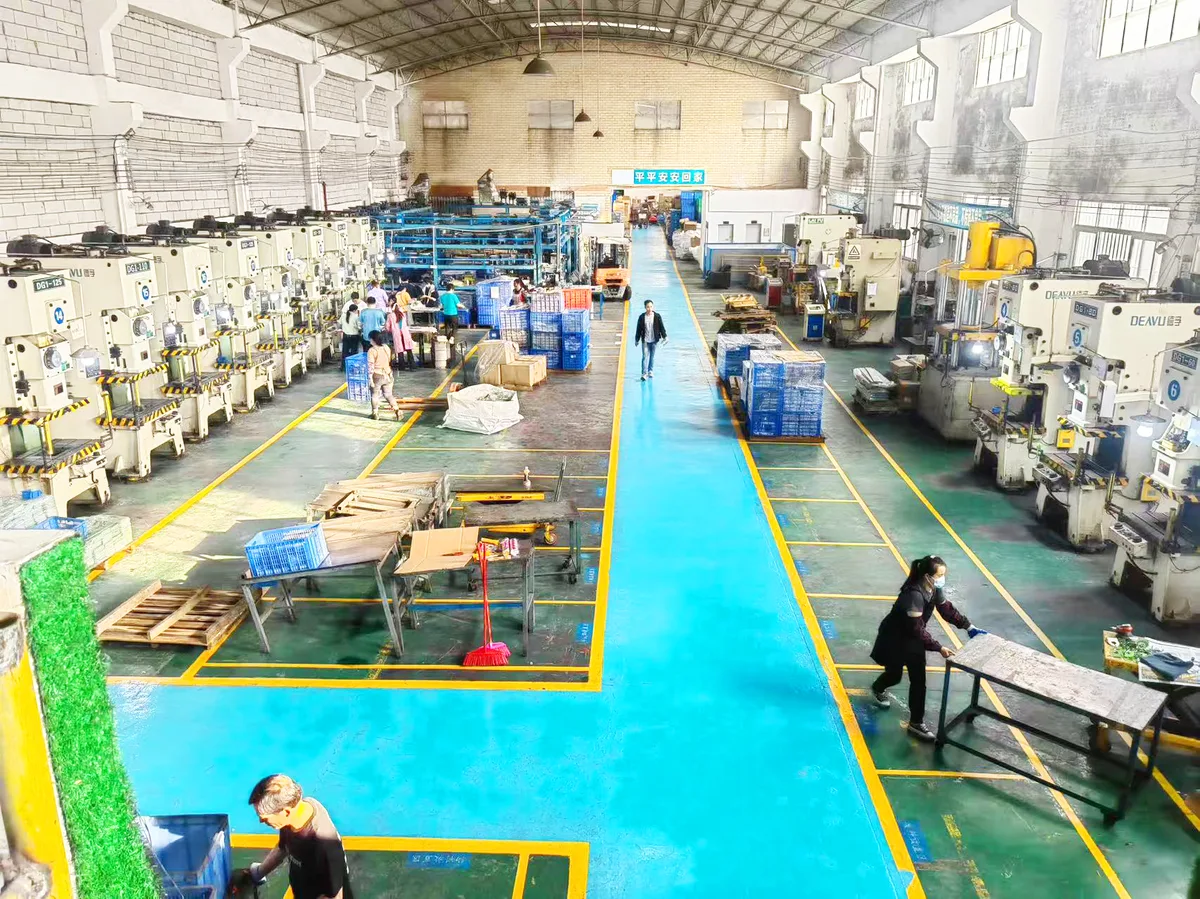
- Validate the factory itself. A supplier confident in its compliance will let you inspect the operation. T-Star offers a free factory video walkthrough and verification, so you can confirm the manufacturing source behind the certificates.
How T-Star approaches compliance
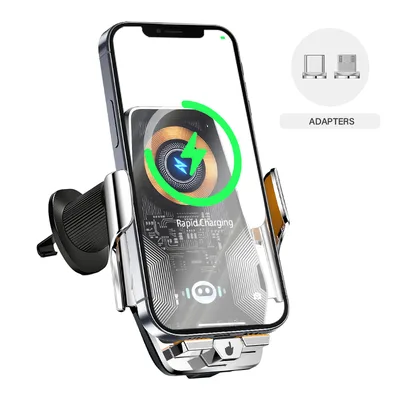
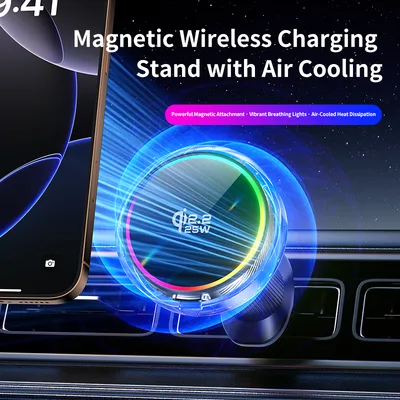
T-Star Products manufactures wireless car charger mounts at our own facility in Guangzhou, and our products hold FCC, CE and RoHS certifications, which is exactly the combination an importer needs to move stock into the US, UK, EU, Canada and Australia from a single source. Our wireless charging mounts are also built around a modern 15W magnetic charging standard, so the charging performance and the compliance story are aligned rather than retrofitted.
Because we run OEM, ODM and private-label production in-house, we can match the certification documentation to the specific model and wattage you order across our range of mounts, from automatic-clamp and compact magnetic designs through dashboard, air-vent and other formats from 5W to 15W. For buyers building a brand or stocking a catalog, that means one verified, document-backed source instead of stitching together compliance from several factories.
We also keep the barrier to a first order deliberately low. Wholesale buyers can start from just 2 pieces and custom-logo OEM orders from 50 pieces, so you can validate the product, inspect the marks on the physical unit, and confirm the documentation matches before scaling up. Many of these compliance and ordering questions are answered on our frequently asked questions page, which is a good first stop if you are evaluating us as a supplier.
Turn a compliance fear into a sourcing advantage
Compliance is the single biggest source of anxiety for buyers importing electronics, and rightly so, because the cost of getting it wrong is borne at the border and on the marketplace. The way to remove that risk is not to hope, but to source from a manufacturer that holds the right certifications, will hand you the documents to prove it, and lets you verify the factory behind them.
If you are sourcing wireless car chargers for the US, UK, EU, Canada or Australia and want FCC, CE and RoHS-certified product from a single Guangzhou factory, request a quote and a free sample through our wholesale team or contact T-Star directly. We will send the certificates that match your models, a factory video, and pricing tailored to your order, so you can move from anxiety to a confident purchase order.